
The Chair by the Window by Charlotte Dawn
It wasn’t that no one ever knew. It was that knowing often came too late, or in fragments too small to hold onto at the time.
In the small Highland town, the sea always sounded closer in winter.
Not louder exactly—just nearer, as if the North Sea had moved in overnight and was sitting just beyond the houses, waiting. It was the kind of place where everyone knew the weather before they opened the curtains, and everyone knew when something had gone wrong before it was ever spoken aloud.
Mairi noticed the chair first.
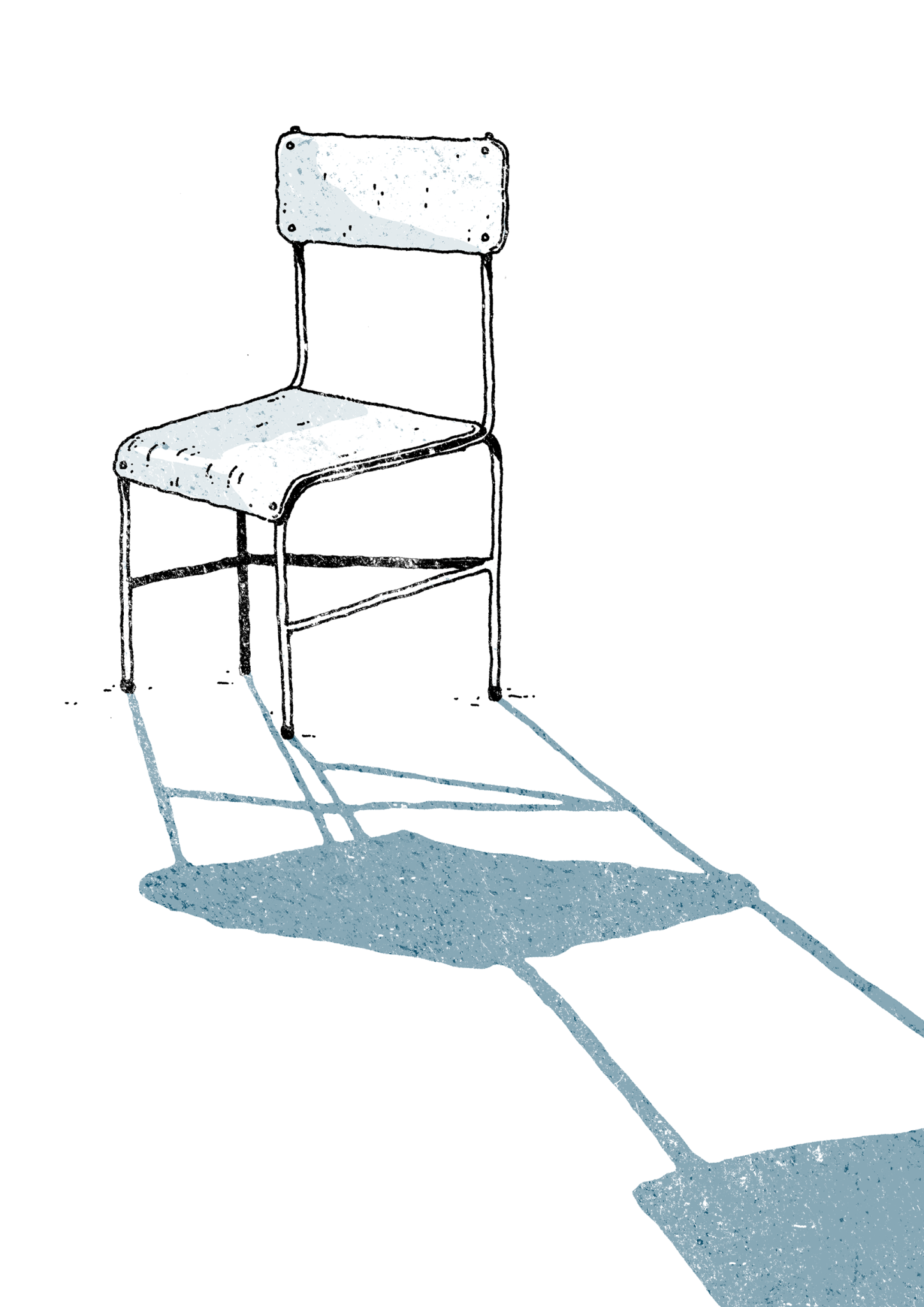
It was in the classroom by the window, the one where the light came in sideways on pale afternoons. The chair had always been his—though it still stood in its place, as if waiting for him to return after break.
No one said his name at first. Not properly. Not after the news.
Teachers learned to speak around absence. Pupils learned to look at the desk, then away again, as if eye contact might make it more real.
Mairi had taught long enough to recognise the shift that came after. It wasn’t loud. It wasn’t dramatic. It was quieter than that. A soft rearranging of the room’s balance, like air settling after a door has closed.
He had been one of the boys who laughed easily. The kind who could be both present and elsewhere at the same time, always half-facing the corridor, the window, the idea of somewhere different. He played football on muddy pitches after school. He helped carry kit without being asked. He said “aye” more than he said anything else meaningful, as if agreeing was safer than explaining.
Then, slowly, he began to arrive in class like someone stepping in from a different weather system.
A bit quieter. A bit further back in his chair. A bit harder to catch at the end of the day when Mairi asked the usual questions—You alright? Everything okay at home?
He always nodded.
Most of them did.
The Highlands had a way of making distance feel normal. Miles between houses. Miles between bus stops. Miles between how you felt and how you were expected to behave.
People liked to say it was peaceful here. And it was, in a way. The hills did not rush you. The lochs did not argue back. The sky could hold a whole day without changing its mind.
But peace and isolation could look the same from a distance.
After it happened, the town folded in on itself.
There were flowers outside the school gate. Messages written in ink that ran slightly in the rain. Parents standing in awkward clusters, unsure where to put their hands. Boys who didn’t know what to do with their anger, so they turned it into silence instead.
Mairi found herself thinking about the chair more than she expected. Not as a symbol at first. Just as a physical thing. Wood and metal and habit. A place where someone used to sit and now didn’t.
In the staffroom, someone said, “You never really know, do you?”
And someone else answered, “No. You don’t.”
But that wasn’t quite true.
It wasn’t that no one ever knew. It was that knowing often came too late, or in fragments too small to hold onto at the time.
There had been signs, she thought later. Not dramatic ones. Not the kind people imagined when they spoke about warning signals. Just small changes. A withdrawal that could have been tiredness. A smile that arrived a second too late. A young person learning how to be invisible in plain sight.
The town carried on, because that is what towns do.
The shop opened at the usual time. The buses still ran, though sparsely. The football pitch filled again on Saturdays. Even grief, here, had to work around timetables.
But something had changed in the spaces between things.
Mairi started to notice the other chairs.
Not just in her classroom, but everywhere. In cafés where young people sat in pairs but spoke in fragments. On buses where headphones built invisible walls. At the edge of playgrounds where someone always stood slightly apart, pretending not to want to be included.
She began to ask questions differently.
Not “Are you okay?” said quickly, already halfway out the door.
But something that lingered.
Something that gave the answer time to catch up.
Because she had learned, in the hardest way, that silence is not empty.
It is full of things people do not know how to say.
The chair by the window stayed there.
At first, they left it out of habit. Then out of uncertainty. Then, eventually, because removing it felt like pretending nothing had happened.
And nothing had happened was not true.
One afternoon, months later, Mairi watched another pupil pause beside it. Just for a moment. Not sitting. Not speaking. Just noticing.
Then he moved on.
But he did not look away quite as quickly as he once might have.
And in a place where distance can feel like everything, even that felt like something small holding back the silence.
Charlotte Dawn
Charlotte Dawn is a poet, writer, and storyteller living in the Scottish Highlands. An adopted Highlander, she draws inspiration from nature, folklore, family, and the human experience. Her writing explores grief, resilience, healing, and hope, finding poetry in the quiet moments, wild landscapes, and stories that connect us.